The answer, up front: one coin, three checks
A Morgan dollar is 26.73 grams of .900 silver — 0.7734 troy ounces of pure silver (Guide 8) — struck from 1878 to 1904 and once more in 1921. Most Morgans in jars are common dates: their value is the melt floor plus a modest premium for age and demand. A few are worth far more, and you can screen for every one of them with three checks — the mint mark, the date, and the scale. The coin on one card:
| Years struck | 1878–1904, then 1921 only |
|---|---|
| Weight | 26.73 g — a light one is a copy until proven otherwise |
| Silver | .900 fine — 0.7734 troy ounces pure |
| Diameter | 38.1 mm |
| Mint marks | None = Philadelphia · O = New Orleans · S = San Francisco · CC = Carson City · D = Denver (1921 only) |
| Where the mark hides | On the back, in small letters above the DO in DOLLAR |
Read the back before the front: on a Morgan, the little letters carry the money.
The story: the dollar a mining lobby built
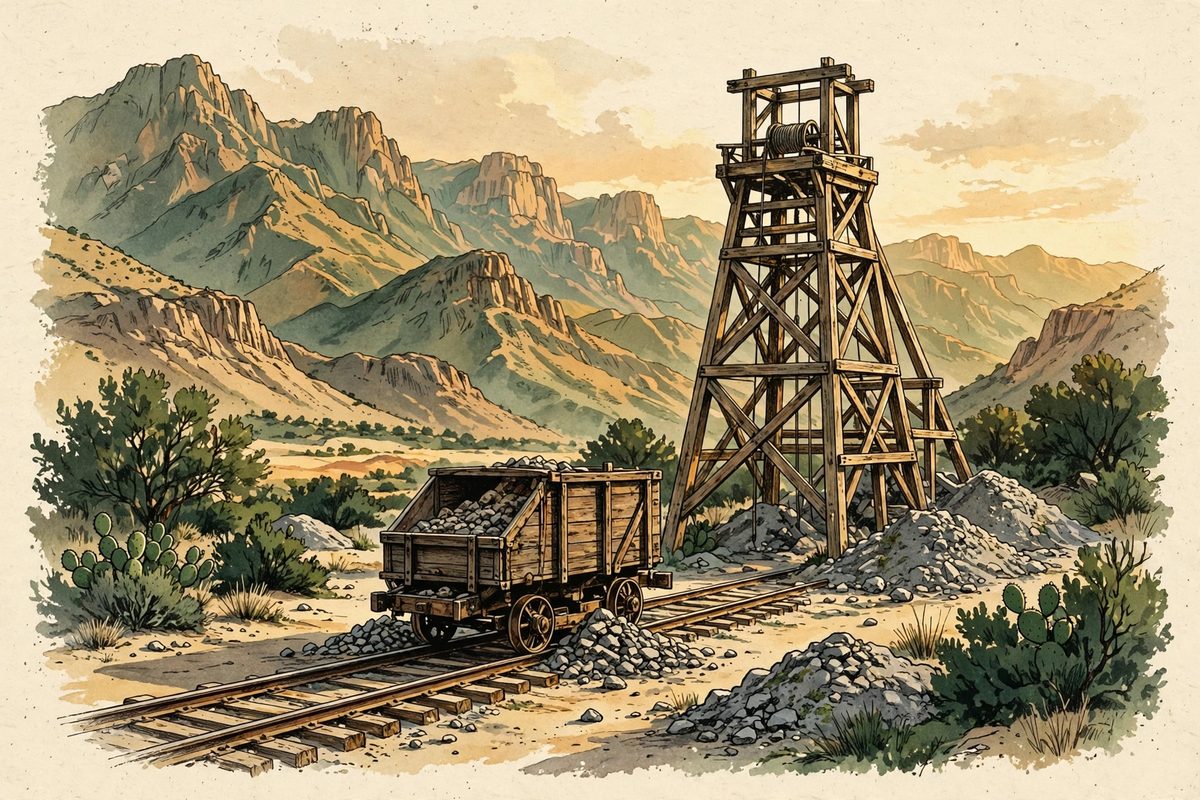
The Morgan exists because silver needed a buyer. In 1878, Congress passed the Bland-Allison Act over a presidential veto, ordering the Treasury to buy between two and four million dollars of silver every month and coin it into dollars. Behind the law stood the Comstock Lode and the western silver camps: silver had crashed, mine owners faced ruin, and coinage was the rescue. The dollar was support for an industry, struck in metal, and it poured out of five mints for over twenty-five years.
The design came from George T. Morgan, a young English engraver at the Philadelphia mint, who modelled Liberty on a local schoolteacher, Anna Willess Williams; the coin carries his name. The mints signed their work on the back — Philadelphia with no mark at all, New Orleans O, San Francisco S, Denver a D (in 1921 only), and Carson City, the little mint in the shadow of the Comstock Lode, with a double CC.
Production stopped in 1904, when the silver the law had ordered bought was used up. In 1918 the Pittman Act went the other way: 270 million silver dollars were melted, their metal sold to Britain for India’s currency. Rebuilding its stock, the Treasury struck Morgans for one last year — 1921, the largest mintage of the series, over 44 million from Philadelphia alone — before the Peace dollar took over that December. And because millions of Morgans sat in vault bags instead of pockets, unworn coins still surface constantly: the government’s mail sales of the 1970s, mostly Carson City dollars, put century-old mint-state coins into ordinary collections.
What it means for your jar: run the three checks
Check one — the mint mark. Flip the coin over before you read the date. Any CC coin is scarcer in every year of the series and leaves the melt pile at once. O and S coins are common in most years, and a back with no mark at all means Philadelphia, the largest producer. The catalogue entry for the series flags the same two checks — CC and 1893-S — before any price is shown.
Check two — the date. The famous one is 1893-S: only 100,000 struck, the rarest regular-issue Morgan there is — if yours reads 1893 and S, stop and get an in-person opinion before answering any offer. An 1895 with no mint mark is a proof-only year, fewer than 900 made, and deserves the same care. Everything dated 1921 is common, which makes it the perfect coin to practise on.
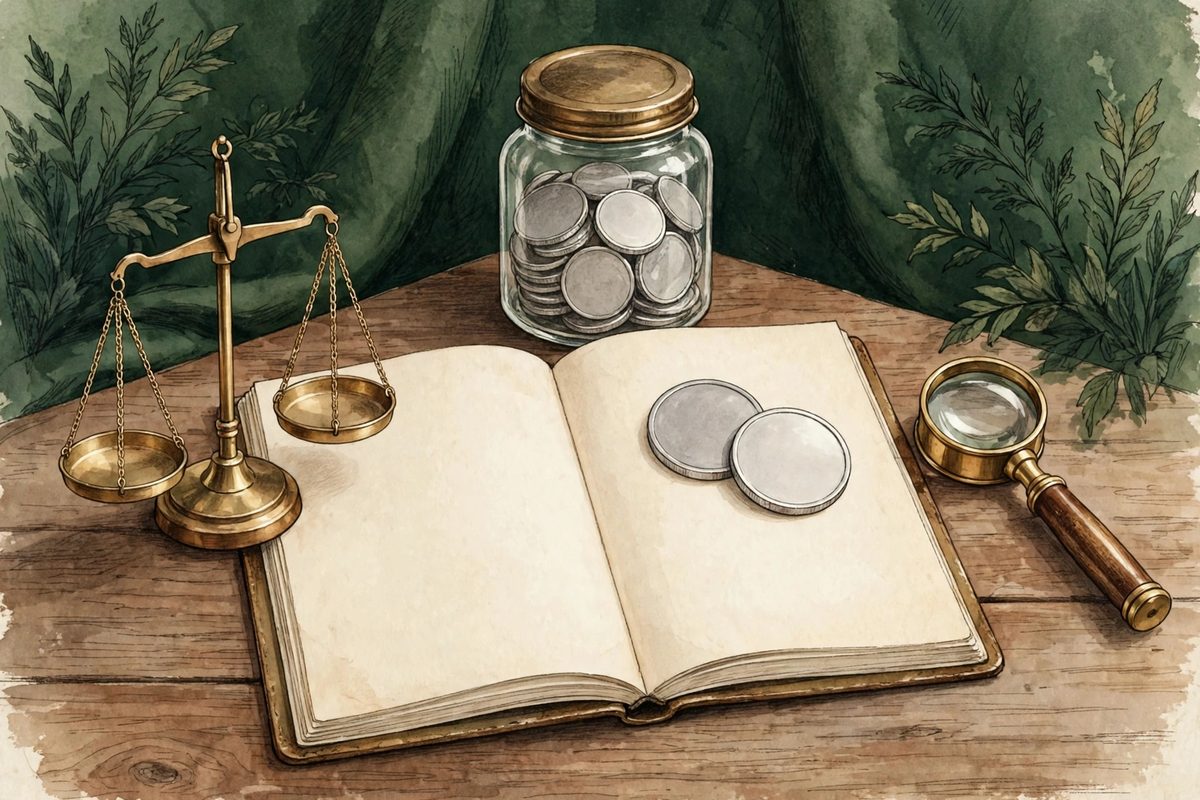
Check three — the scale, then the maths. A genuine Morgan weighs 26.73 g (Guide 2); a light coin is a copy until proven otherwise, and a magnet should never stick to it. Then the melt floor: 0.7734 troy ounces times the silver price of the day. On the price snapshot this site carries, a worn common-date Morgan’s three numbers are a $41.61 melt floor, $42–$68 asking, and roughly $31–$37 from a dealer — Guide 6 worked its example on exactly this coin. Rare dates and CC marks price above the metal; common dates price from it.
One last warning, and it is the same as always: never clean it (Guide 4). A scrubbed, shiny Morgan reads as damaged goods to a collector. Grey and honest outsells bright and polished, every time.
Common Morgans are silver with a story premium. Rare ones are history with a silver lining.
Try it: sort the big dollars first
Pull every dollar-sized coin out of the jar before the small change. For each one, write the year in a notebook, flip it and write the mint mark, weigh it, and only then price it in the sorter against the full Morgan date list. Ten minutes a coin, and the jar’s heaviest silver is honestly priced before the dimes even come out. If the jar holds a Peace dollar as well — the design that replaced the Morgan in late 1921 — the same routine works: mark, date, scale, price.
The Morgan is a mining subsidy you can hold: ninety percent silver, one hundred percent nineteenth-century politics.