The answer, up front: the design is the biography, the metal is the price
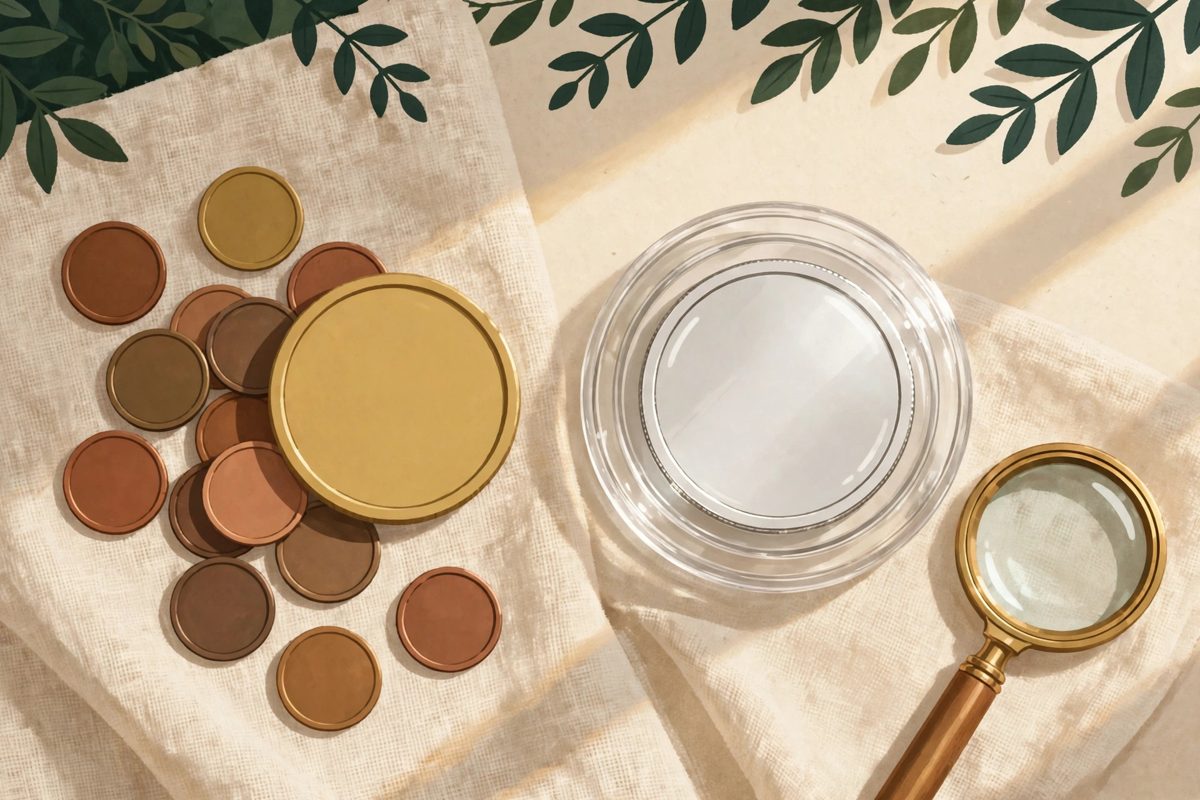
A mint rarely strikes a design once. It strikes a circulation version to be spent — base metal, made by the million — and, very often, collector versions of the same design to be sold: silver instead of clad, a proof finish instead of a business strike, sold in a capsule or a set. The picture is identical. The price is not. These are the version families that turn up in inherited jars:
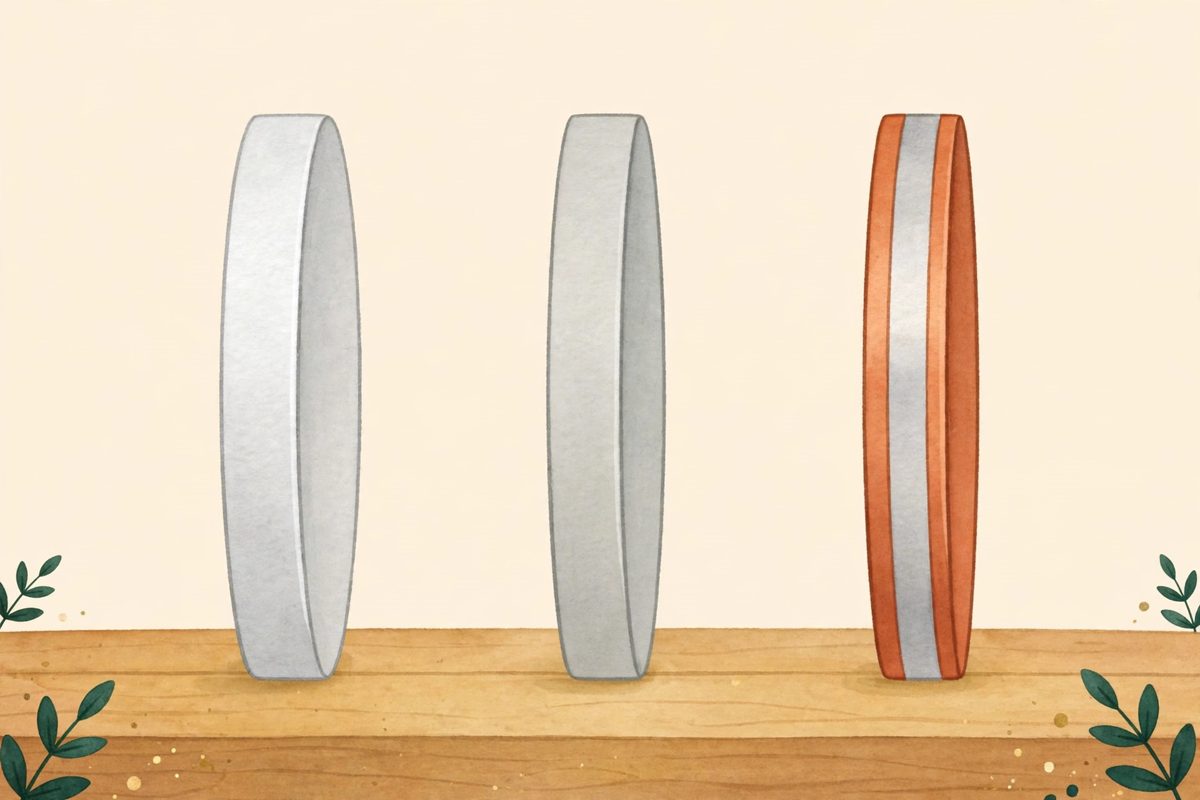
| Kennedy half dollar | Three metals, one portrait. 1964 is 90% silver (sold $20–$22); 1965–1970 is 40% silver ($10.40–$12.50); 1971 on is copper-nickel clad, worth face value. The edge settles it: solid silvery, pale grey, or a bright copper stripe. |
|---|---|
| Lucky Loonie (2004–2016) | Four versions. The circulation coin is face value; specimen strikes in collector sets guide at $5.50–$28; sterling silver proofs at $35–$75; fine silver proofs at $21–$33. The collector versions arrive in capsules with mirror-like fields and a vivid red Olympic logo. |
| Washington quarter & Roosevelt dime | Silver through 1964, clad from 1965. Silver quarters guide at $10–$11 and silver dimes at $4–$5; the clad versions are face value. A solid silvery edge versus a copper stripe tells them apart without reading a date. |
| Eisenhower dollar | Two metals. The clad coins were made for circulation ($1.25–$3); the 40% silver versions were sold to collectors ($23–$27) — a silvery edge and an S mint mark are the tells. |
| Montreal Olympic $100 (1976) | Two versions inside one coin. The same $100 design was struck in 14-karat gold (sold $1,000–$1,150) and 22-karat gold ($2,000–$2,150). Count the beads around the rim — 132 or 172 — and weigh it: the richer version is heavier. |
The ranges are the JarSort catalogue’s researched sold ranges as of November 8, 2026. Read the table the way a dealer reads a jar: the design narrows it to a family, and then the version — the metal, the finish, the packaging — sets the price. Pricing the wrong version is not a rounding error; on the Loonie it is the difference between one dollar and seventy-five.
A coin’s design is its biography. Its metal is its price.
The story: a handful of halves
It happens the same way every time. A jar comes down from a shelf, and out of it comes a handful of Kennedy halves — big, heavy, obviously old, obviously worth saving. They get a sleeve, a label and a proud place in the “silver” pile. Five of them are from the seventies: clad, worth fifty cents each, exactly what the bank would give for them. The sixth, paler and quieter, nearly goes back into the jar as just another half. It is a 1964 — ninety percent silver, guiding at twenty dollars and change. The handful was priced by its design, and the design was the one thing all six coins shared. Everything that mattered was in the date and the edge, as in Guide 13, and the most valuable coin in the handful was the one that looked the least remarkable.
Why mints strike versions at all
Because the two versions are two different products. The circulation strike is money: it has to be cheap to make, hard to counterfeit and boring to own. The collector version is merchandise: struck slowly, polished, inspected, sealed in a capsule and sold at a premium over its metal. Same dies, different intent. That is why the tells are physical rather than artistic — the design is shared, so the difference has to live in the metal (silver versus clad, fourteen karat versus twenty-two), the finish (mirror fields on a proof, satin on a specimen) and the packaging (a capsule, a case, a certificate). Some versions even hide inside a single catalogue entry: the Montreal $100 was sold in two golds under one design and one date, separated only by the bead count around the rim and the weight on a scale. If a coin was made to be sold rather than spent, it usually still carries the evidence.
What it means for your jar
Never price a coin from its design alone. Identify the family first, then settle the version before you settle the number. Treat any coin in a capsule, a case or a mint set as a collector version until proven otherwise — nobody capsules pocket change — and never clean or polish it: mirror fields fingerprint and scratch, and a cleaned proof is a discounted proof. JarSort now works the way this guide does. The confirm screen offers the other versions of the design as one-tap switches, and the verdict card carries an “Other versions of this design” strip with each version’s own three numbers — melt floor, likely sold, dealer-likely pay — so both prices are on the table before you decide which coin you are holding.
Try it: the three checks
- The date. Versions usually split by year — 1964 against 1965, sterling years against fine-silver years. Read the date before anything else, with the mint-mark guide if the stamps are worn.
- The edge. Stand the coin on its rim. Solid silvery, pale grey and copper-striped are three different coins wearing one portrait.
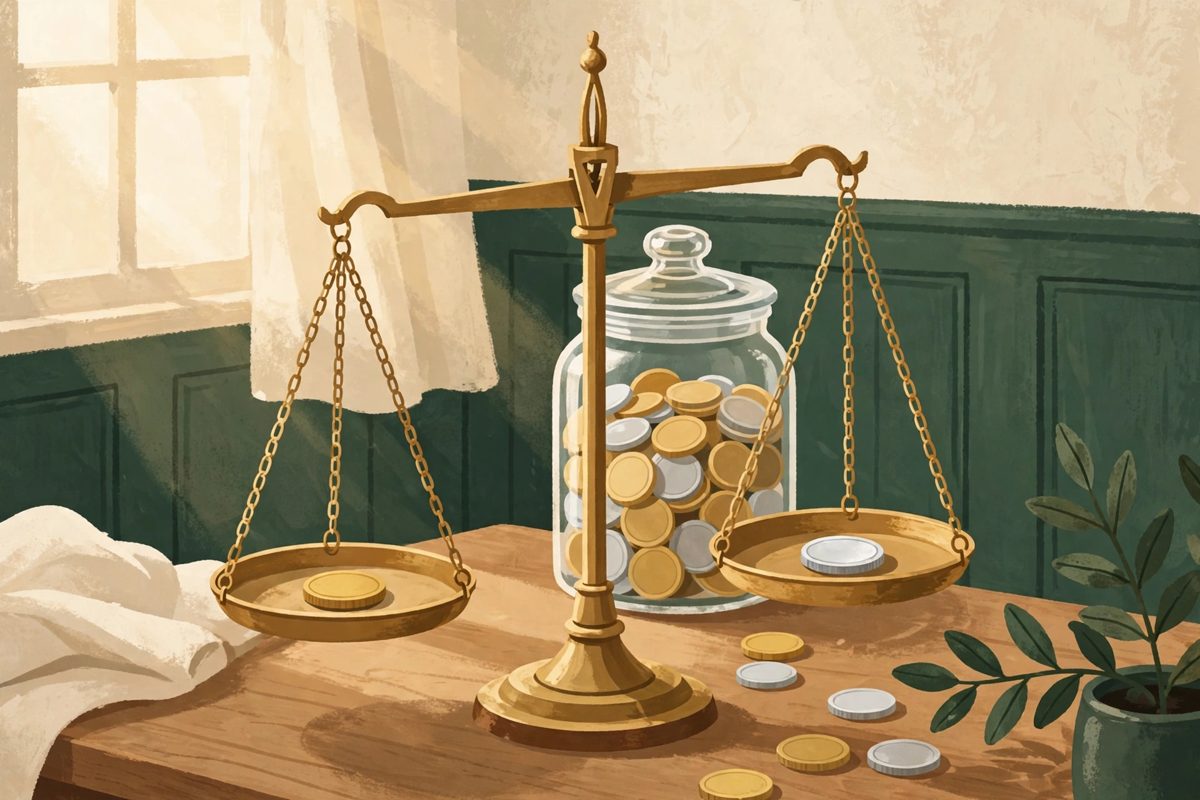
- The packaging and the weight. A capsule, case or certificate means the mint sold it to collectors. Then weigh it on a 0.01 g scale — the method is in reading a scale for coins — because silver and gold versions outweigh their circulation twins.
- Price the version, not the design. Run the coin through JarSort and read the “Other versions” strip on the verdict: if your coin matches the richer row’s tells, that row’s numbers are yours.
That is the whole discipline. The design tells you the story; the metal, the finish and the packaging tell you the price — and a jar sorted by version is a jar whose best coins can no longer hide inside a familiar face.