
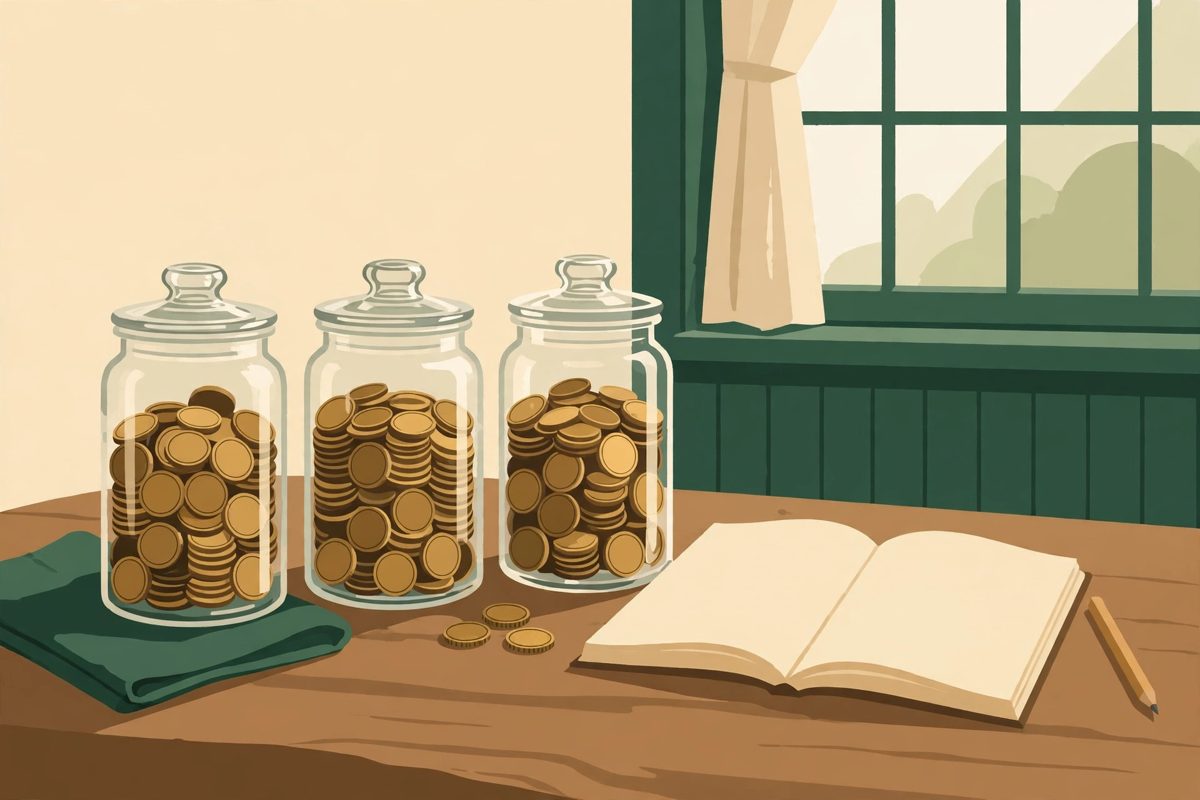
The answer, up front: seven steps, in order
If you are the person the family hands the jar to — the executor, or simply the one everyone trusts to be careful — the job is not really about coins. It is about working in an order that loses nothing and can be explained afterwards. These seven steps are that order:
| 1. Photograph everything as found | Every jar, tin and box, sealed and where it sat, before a single coin is touched. This is the estate’s record of what existed. |
|---|---|
| 2. Hands off the surfaces | Edges only, cotton gloves if you have them. Never clean, polish or wash a coin — cleaning is the one mistake nobody can undo. |
| 3. Sort into labelled piles | Silver-era coins, modern clad, foreign pieces, tokens and medals. A paper label in every pile, so the sorting survives being interrupted. |
| 4. Pull the dates that matter | Pre-1965 silver, key dates and the mint-mark varieties — the coins that leave the bulk piles and get individual attention. |
| 5. Three numbers for every coin | Melt floor, asking range, and what a dealer would likely pay, written down coin by coin. Estimates, honestly labelled as estimates. |
| 6. Print the dealer sheet | One document for the estate file that every heir can read the same way. This is the page calm family meetings are made of. |
| 7. Decide last | Keep, divide, or sell — with the sheet in front of everyone. Nothing is sold, split or spent before this step. |
Photograph first, sort second, sell last — the order is the whole job.
The story: three containers and one near-miss
It usually goes like this. A parent dies, or moves into care, and the family spends a weekend clearing the house. There is a jar on the study shelf. There is a coffee tin in the kitchen that turns out to hold coins, not coffee. There is a cigar box in the garage. And there is one well-meaning relative — there is always one — who offers to take the whole lot to the bank’s coin counter on Monday and be done with it.
That errand is the near-miss. A coin counter pays face value for everything poured into it. It does not stop for the dimes, quarters and halves struck before 1965, which are ninety percent silver and worth many times their face in melt alone. It does not stop for a key date. It turns a collection into a deposit slip, and the information — which coins existed, which dates, which metals — is gone in the time it takes the machine to rattle.
In the version of the story that ends well, somebody at the kitchen table says one word: wait. Not because the jar is certainly valuable — most jars are mostly ordinary coins, and this checklist will tell you so honestly when yours is. Wait, because the jar can be poured out exactly once with its information intact, and every step after that is easier than recovering from step one done wrong.
What it means for your jar
An executor’s protection is paperwork. Questions about an estate rarely arrive during the busy first weekend; they arrive months later, from a sibling who was not there, or from a lawyer tidying the file. The photographs answer what was in the house. The dealer sheet answers what it was worth and how that was worked out. An executor who can produce both is not being defensive — they are doing the job the role actually asks for, which is to be able to show your work.
The numbers also keep the peace while there is still time to keep it. Dividing a jar of unexamined coins between three heirs is an argument waiting for a topic; dividing a written inventory, coin by coin with three numbers beside each, is arithmetic. In the United States, inherited property is generally valued for tax purposes as of the date of death, which is one more reason a dated inventory belongs in the estate papers — the estate’s own tax professional can confirm how that applies in your case. The habit is the same everywhere: write it down while the evidence is on the table.
And when selling does come, the sheet changes the conversation. A dealer offered a bulk jar prices the mystery; a dealer shown an inventory prices the coins. Take the silver and key-date piles to two dealers if you can — the spread between their offers is information, and it costs nothing but an afternoon. What you should not do is let any part of the jar leave through a coin counter, a pawnshop’s bulk tray, or a single unresearched offer: those are the three doors through which the pre-1965 silver quietly exits at face value.
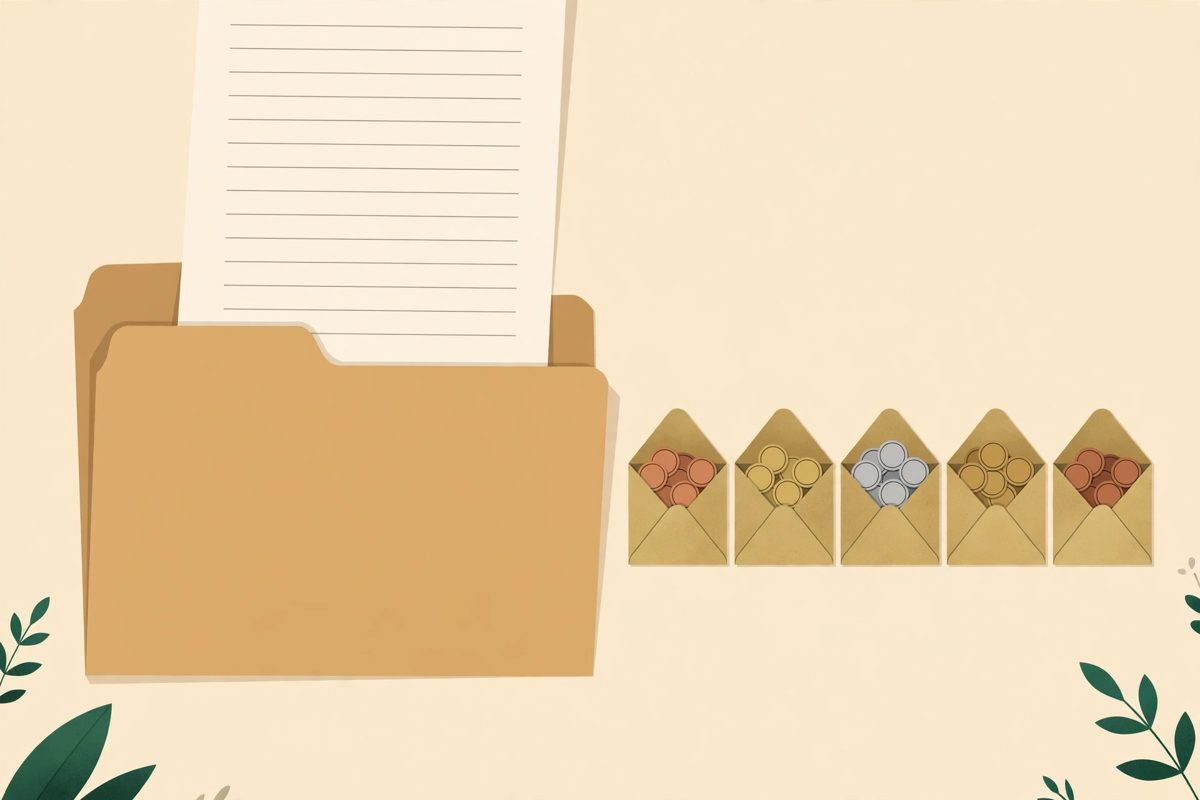
Try it: one jar, one afternoon
- Pick one container — just one — and photograph it as it sits, then again with the lid off.
- Sort its coins into labelled piles: silver-era, modern, foreign, other. Edges only, and nothing gets cleaned, whatever it looks like.
- Run the coins through JarSort — the first three verdicts are free — using the two-sided photo identification or the guided pick, and confirm each year and mint mark as you go.
- Export the dealer sheet (PDF or CSV) and print it. Note the date on it.
- File the sheet with the photographs. That container is done, documented, and defensible — the rest can wait for next weekend.
That is the whole job, and it scales from one jar to a whole house of them. An executor’s success is not squeezing out the best possible price; it is reaching the end with every coin accounted for and every decision explainable. Photograph first, sort second, sell last — and the jar everyone dreaded becomes the tidiest folder in the estate.